
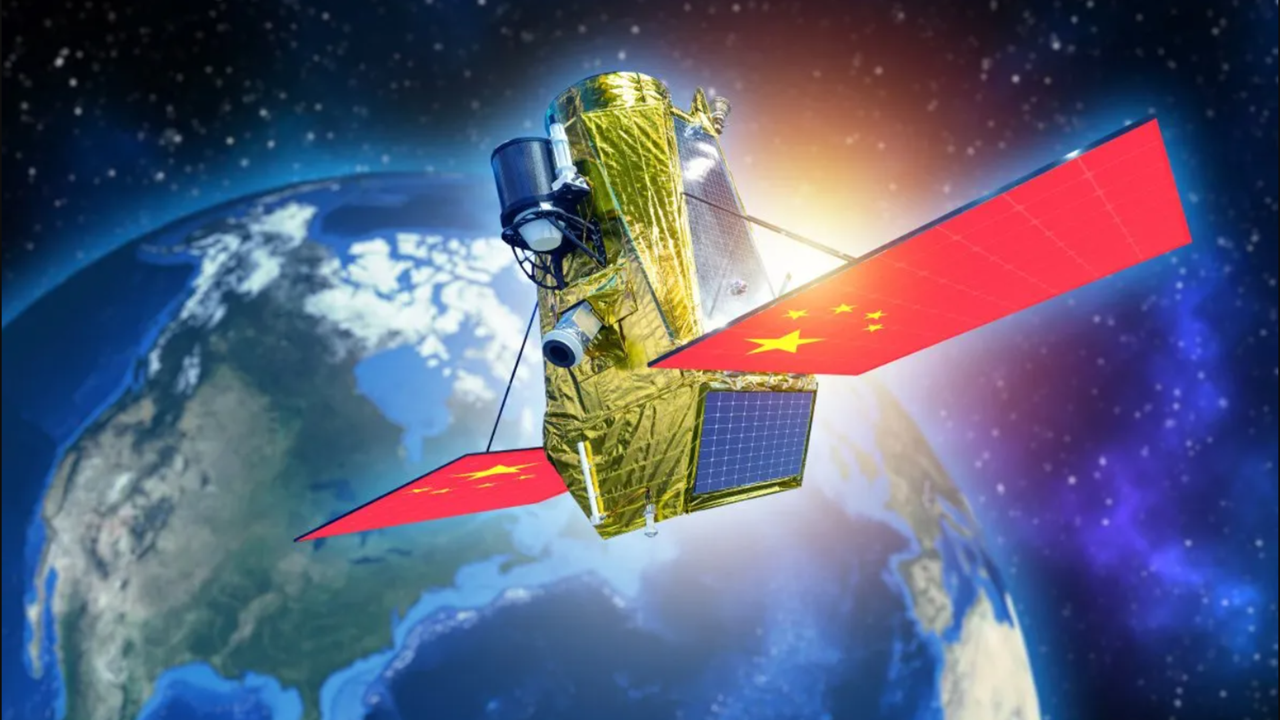
The topic ‘Global, 24/7, all-weather reconnaissance coverage’: China deployed… is currently the subject of lively discussion — readers and analysts are keeping a close eye on developments.
This is taking place in a dynamic environment: companies’ decisions and competitors’ reactions can quickly change the picture.
China’s new space radar locks onto ships through storms and darkness
When you purchase through links on our site, we may earn an affiliate commission. Here’s how it works.
Get full access to premium articles, exclusive features and a growing list of member rewards.
China has released radar images showing a geosynchronous orbit satellite successfully tracking a moving maritime target for the first time.
The satellite locked onto the Towa Maru, a 340 meter Japanese tanker traversing rough seas near the Spratly Islands, from an altitude of 35,800 kilometers above Earth.
This breakthrough could give Beijing continuous surveillance of US naval fleets across every ocean.
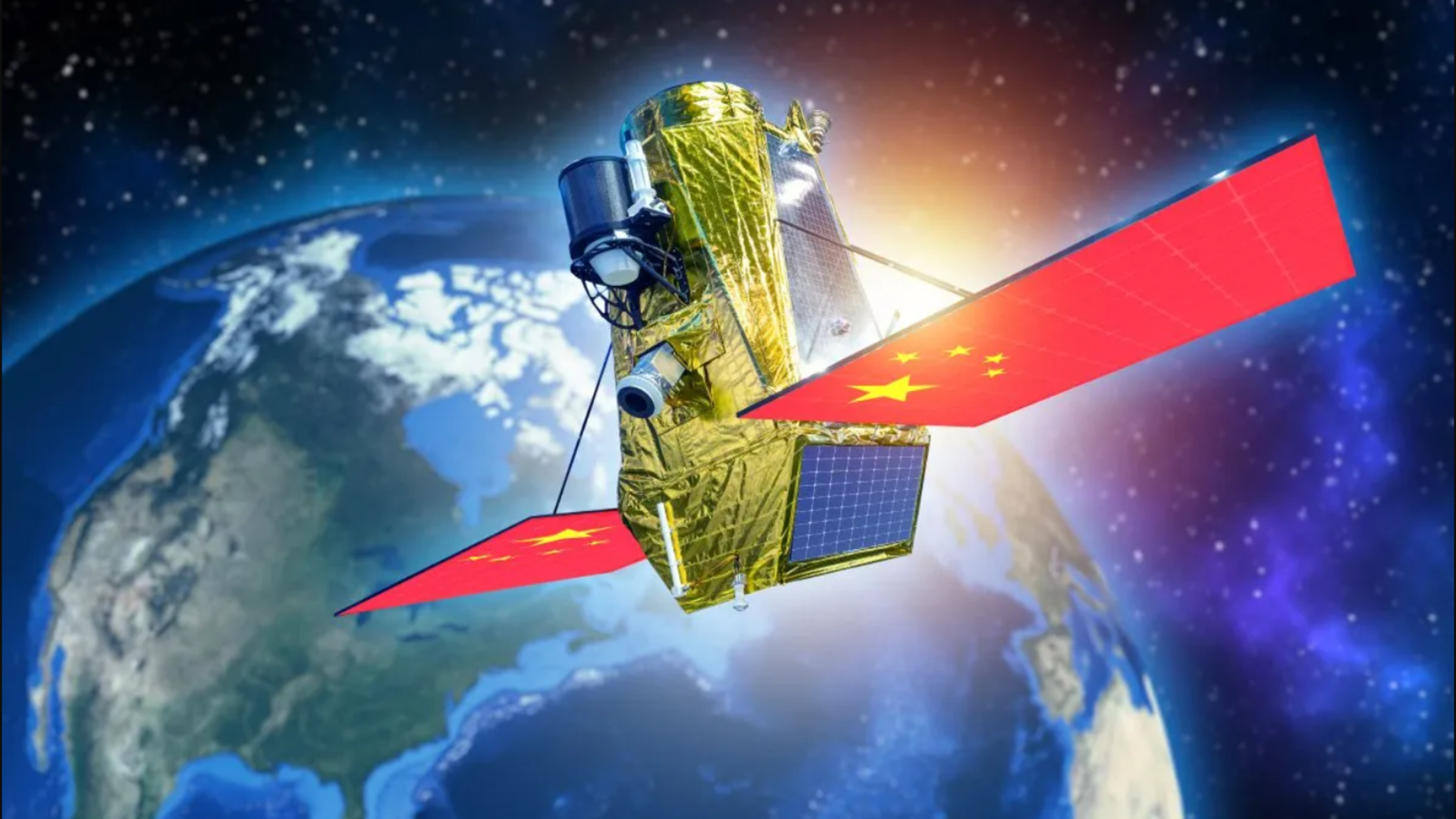
Unlike low-orbit satellites that pass over a location for only minutes at a time, this geosynchronous radar platform maintains a persistent watch despite cloud cover, darkness, and severe ocean interference.
Lead researcher Hu Yuxin declared the new processing architecture could isolate weak ship echoes from violent sea clutter at distances previously considered physically impractical.
With just three such satellites positioned strategically, China could achieve global, 24/7, all-weather reconnaissance coverage of high-value targets, including US carrier strike groups.
To match this capability using conventional low-orbit systems, other countries might need to deploy hundreds or even thousands of satellites.
The demonstration is especially consequential because American carrier strike groups approaching Taiwan or the South China Sea could now be detected, tracked, and targeted far earlier than previously assumed.
A surveillance architecture requiring only three satellites would also reduce China’s dependence on vulnerable low-orbit constellations, making its maritime reconnaissance network substantially harder to disrupt during wartime.
For Pentagon planners, the satellite’s success represents not simply a Chinese technical milestone, but the possible emergence of a new battlespace in which concealment at sea may no longer exist.
The US Navy has long relied on weather, distance, and the predictable gaps between low-orbit reconnaissance satellites to conceal operational movements.

If China integrates this capability with over-the-horizon radars, underwater sensors, drones, and long-range anti-ship missiles, it could tighten its surveillance network.
As a result, warning times for US naval commanders across the Indo-Pacific could shrink dramatically.
The achievement threatens to shift the strategic competition between Washington and Beijing – as it is no longer just about controlling sea lanes; the focus is shifting toward dominance of orbital infrastructure that determines who gains first visibility.
The technologies is undeniably impressive, but a single successful tracking of a commercial tanker does not automatically translate into reliable tracking of evasive military vessels.
Geosynchronous radar must contend with enormous signal travel distances, and adverse space weather or electronic countermeasures could degrade performance.
China has not yet deployed the full three-satellite constellation, and the timeline for operational capability remains unclear.
Follow TechRadar on Google News and add us as a preferred source to get our expert news, reviews, and opinion in your feeds.
Efosa has been writing about technologies for over 7 years, initially driven by curiosity but now fueled by a strong passion for the field. He holds both a Master’s and a PhD in sciences, which provided him with a solid foundation in analytical thinking.
Please logout and then login again, you will then be prompted to enter your display name.